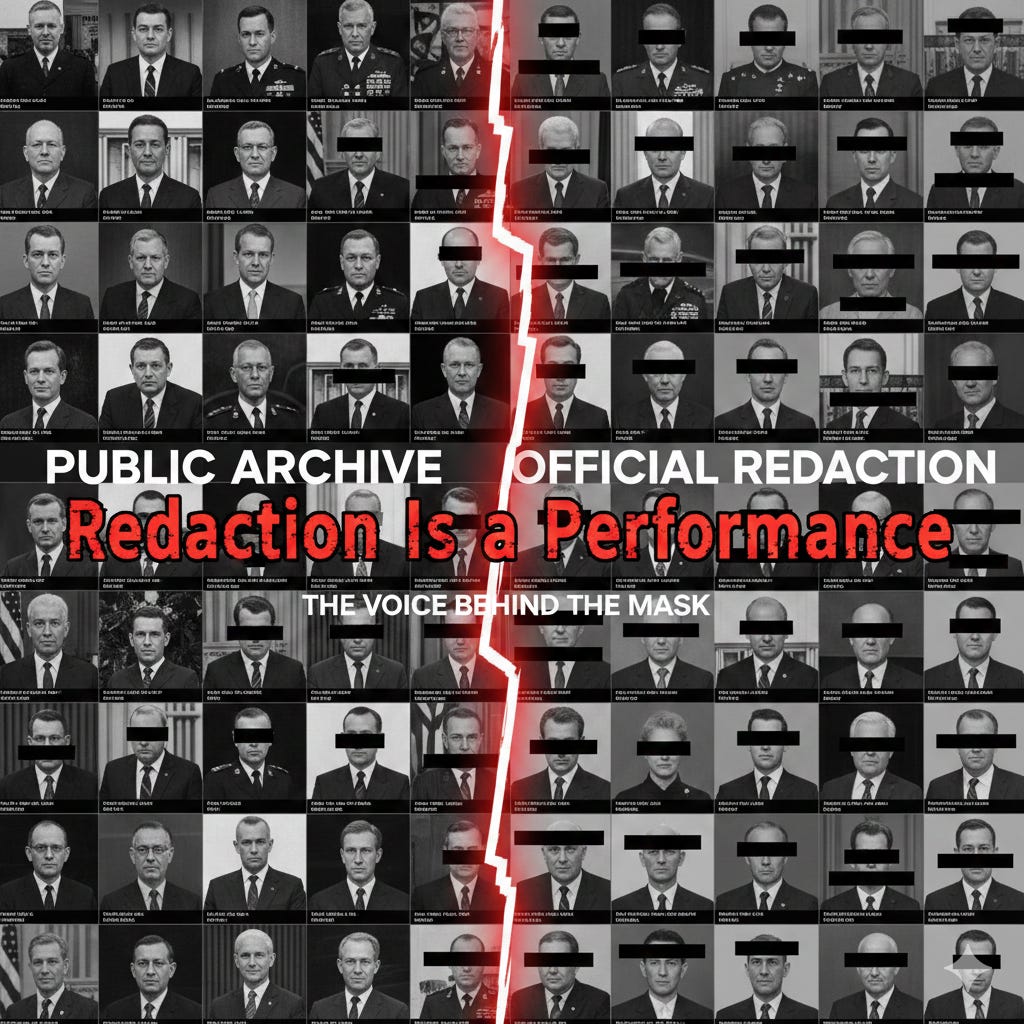
Redaction Is a Performance!
The Illusion of Redactions!

Governments claim redaction exists to protect people. But what happens when the information being “protected” is already publicly available, searchable, and archived? At that point, redaction stops being a safeguard and starts becoming a performance.
The modern state insists that redaction is an ethical act.
A necessary one.
A protective one.
We are told names are removed and faces obscured to prevent harm. To shield individuals from exposure. To act responsibly in an age of information overload.
That explanation sounds reasonable until you test it.
Because protection only makes sense when something is actually hidden.
In the case of recently released government documents and photographs, faces were blacked out, identities erased, and context carefully stripped away. The justification was familiar: to protect people.
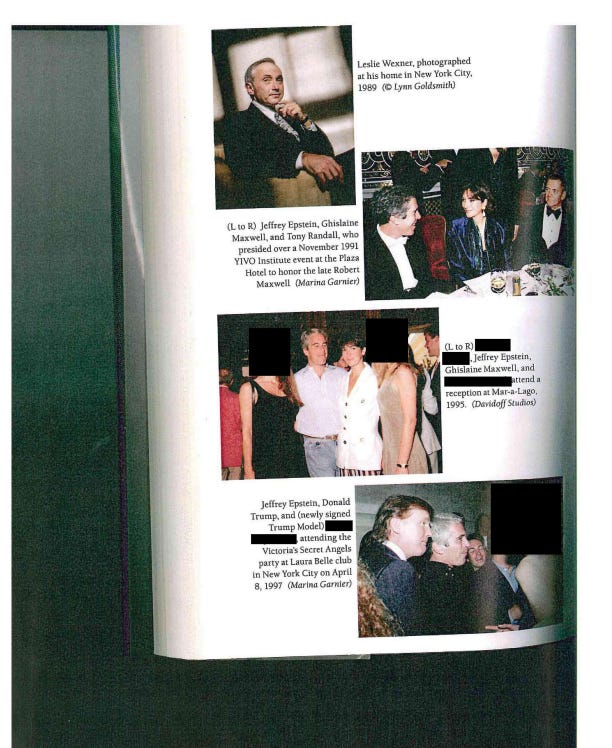
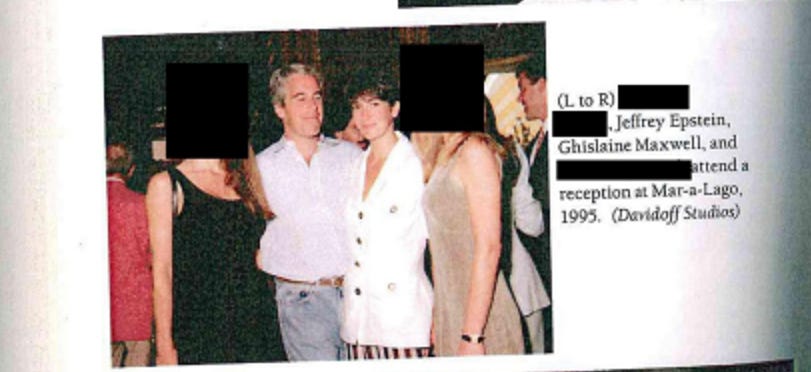
And yet, the same images unredacted already exist.
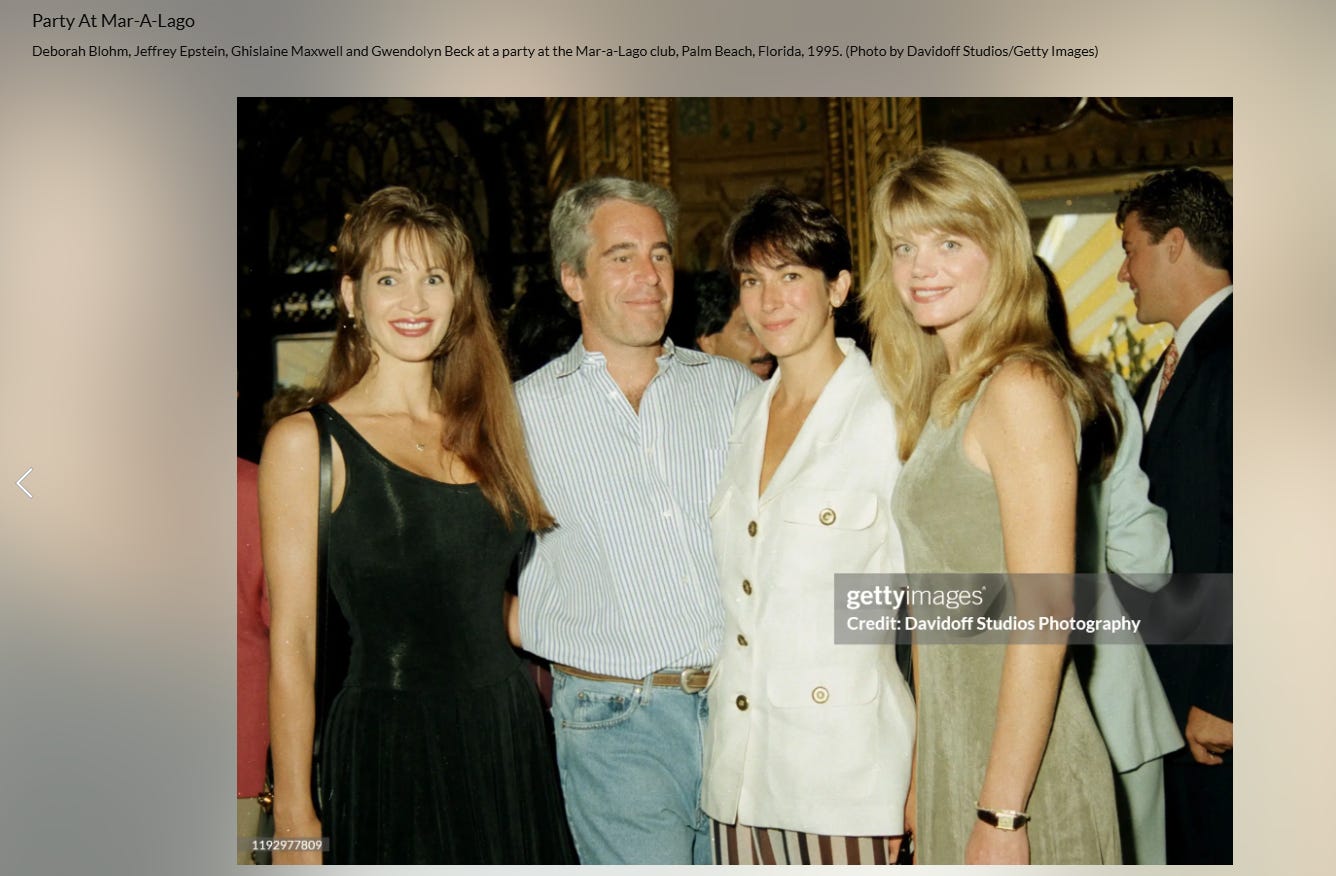
They sit in public archives.
They are licensed by Getty Images.
They are labeled, captioned, dated, and searchable.
Which raises a simple question the official explanation cannot answer:
Who is being protected from what, exactly?
You cannot protect someone from information that is already public.
Once a photograph has been taken by a professional photographer, distributed by a wire service, catalogued by an image library, and sold for licensing, the privacy argument collapses. Exposure already occurred often years ago without incident, without emergency, without concern.
No one rushed to blur faces then.
So why now?
The answer lies in context.
A photograph on Getty Images is just a photograph.
A photograph inside a government document is something else entirely.
Context transforms memory into meaning.
When an image appears in an official release, it stops being a moment and starts becoming evidence. Associations matter. Proximity matters. Patterns matter. Who appears together. How often. Under what circumstances.
That is the danger redaction is responding to not exposure, but confirmation.
Black bars do not erase facts. They interrupt recognition. They break continuity. They attempt to isolate moments so they cannot be connected into a larger narrative.
This is not about protecting individuals from the public.
It is about protecting institutions from implication.
Because archives are indifferent to politics.
They do not forget.
They do not reinterpret themselves to be convenient.
They simply preserve.
When the government redacts faces that are already publicly identified elsewhere, it is not acting out of caution it is signaling discomfort. The discomfort of knowing that, once context is restored, the story changes.
Redaction becomes a performance:
A ritual gesture meant to reassure, to delay, to discourage further examination.
But performance fails when comparison is possible.
And comparison is now unavoidable.
Once you see the redacted version beside the archived one, the question is no longer what are they hiding?
It becomes why did they think this would work?
Because secrecy today does not depend on locks.
It depends on fatigue.
On the assumption that people will not cross-reference, will not search archives, will not look twice.
But looking twice is all it takes.
And when protection is invoked to justify hiding what is already visible, the explanation reveals more than the image ever could.
Question for readers:
Do you believe redaction is still about protecting people or has it become a tool for protecting narratives?
Masks fade, but the echo of a free voice endures.